RFK Jr. Wants to Get America Off Antidepressants. Here's Why That's Dangerous.
The HHS Secretary launched a plan to curb SSRI prescriptions across the country. His department explored an outright ban. Psychiatrists are alarmed. And millions of people who depend on these medications are now asking: is my prescription safe?
By The New Brief Politics Desk | May 12, 2026
Let's be honest about something upfront: there is a real conversation to be had about overprescription of psychiatric medications in America. Antidepressants are prescribed broadly, sometimes without adequate follow-up care. The mental health system in this country pushes pills faster than therapy because therapy is time-consuming and often not covered by insurance. These are legitimate concerns.
Robert F. Kennedy Jr.'s plan to address them is not a legitimate solution. It is a political intervention in medical practice, driven by ideological opposition to pharmaceutical treatments, that threatens to harm the millions of people who genuinely depend on these medications. Here is what is happening and why it matters.
What Kennedy Actually Announced
On May 4, speaking at a daylong summit held by the Make America Healthy Again Institute, Kennedy announced what his department is calling the MAHA Action Plan to curb psychiatric overprescribing. The plan has three main components: encouraging clinicians to de-prescribe Medicare patients from antidepressants in favor of non-pharmacological services like therapy; training clinicians on the risks of psychiatric medications; and providing guidance on how to taper patients off medications slowly.
That plan, as described, is defensible in narrow circumstances. For some patients, therapy is more effective than medication. Tapering protocols are important. These are not controversial medical positions.
What is controversial — and alarming — is what reporting revealed happened behind the scenes. Sources told multiple outlets that Kennedy's health department officials explored whether they had the authority to ban certain SSRI antidepressants outright. The HHS spokesman denied this. The sources stand by the reporting.
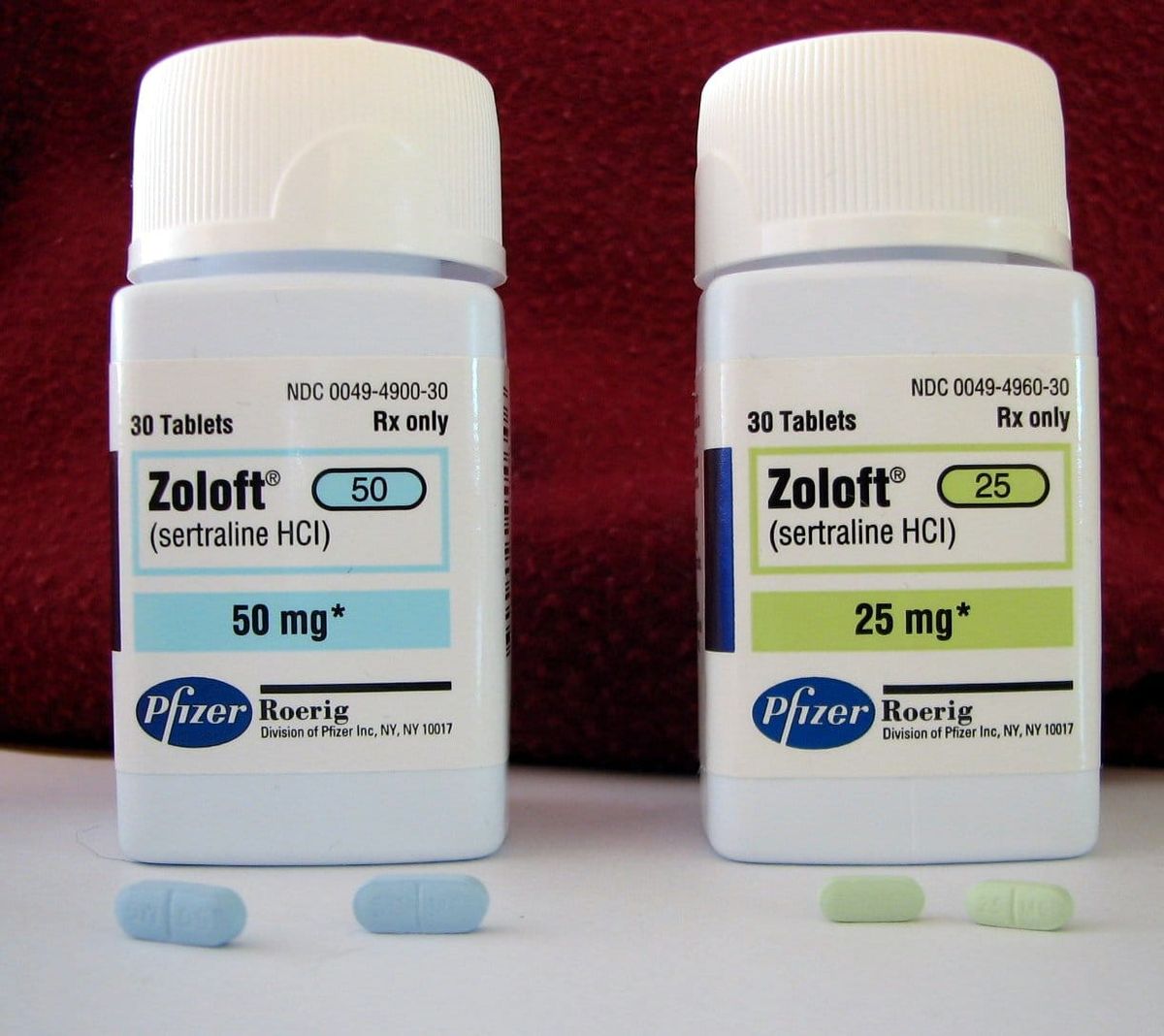
THE MEDICATIONS IN QUESTION: SSRIs — Selective Serotonin Reuptake Inhibitors — include some of the most commonly prescribed drugs in America: Prozac (fluoxetine), Zoloft (sertraline), Lexapro (escitalopram), Paxil (paroxetine). Approximately 45 million Americans take antidepressants. They are used to treat depression, anxiety, OCD, PTSD, and panic disorders.
What the Science Actually Says
The medical and scientific consensus on SSRIs is not ambiguous. A robust body of evidence — spanning decades of clinical trials, population-level studies, and real-world health system data — demonstrates that antidepressants are effective in treating acute depressive episodes, preventing relapse, and reducing suicide risk.
The American Foundation for Suicide Prevention stated directly: "Decades of research show that the judicious use of antidepressants reduces suicide risk overall." The American Psychiatric Association, multiple medical schools, and peer-reviewed literature across the globe support this conclusion.
Kennedy's framing — that these medications are overprescribed and harmful — cherry-picks from a much more complicated scientific picture. Yes, some patients may be prescribed antidepressants who would be better served by therapy. That does not mean antidepressants don't work. It means the healthcare system needs more access to mental health care — which requires funding, not a crackdown on prescriptions.
"SSRIs reduce suicide risk. That is not a pharmaceutical industry talking point. It is the conclusion of decades of peer-reviewed science. Kennedy is contradicting it."
Why This Is Especially Dangerous for Young People
Approximately one in five young adults aged 18-25 experiences a major depressive episode in a given year. For many, SSRIs are the first-line treatment that makes it possible to function — to go to class, to maintain relationships, to stay employed. Abrupt discontinuation of antidepressants can cause severe withdrawal symptoms including dizziness, brain zaps, anxiety, and in some cases, suicidal ideation.
A federal policy push to de-prescribe these medications — particularly one driven by the kind of ideological skepticism Kennedy has expressed toward pharmaceutical treatments throughout his career — puts vulnerable people at real medical risk. Patients who are doing well on medication may feel pressure, or face insurance or access barriers, that lead them to stop taking drugs that are keeping them stable.
Psychiatrists interviewed by NPR described Kennedy's framing as an "oversimplification" at best and dangerous misinformation at worst. One psychiatrist put it plainly: the people most harmed by restricting antidepressant access will be the people with the least access to alternative care.
The Political Context
Kennedy's antidepressant push is part of a broader pattern in his tenure as HHS Secretary: a systematic skepticism toward the pharmaceutical and medical establishment that aligns with his pre-political career as a prominent vaccine skeptic. He has questioned vaccine safety, opposed fluoride in water, and now is taking aim at one of the most widely used classes of psychiatric medication.
Each of these positions has a surface-level appeal to people who are reasonably suspicious of pharmaceutical industry influence over medicine. That suspicion is not entirely unwarranted — industry influence on prescribing practices is real and documented. But the answer to pharmaceutical industry overreach is better regulation, better insurance coverage for non-pharmaceutical treatments, and more robust clinical guidelines — not a federal official using his platform to undermine public confidence in medications that save lives.
IF YOU TAKE ANTIDEPRESSANTS: Do not stop taking your medication based on news coverage of Kennedy's announcement. Talk to your prescriber before making any changes. Abrupt discontinuation can cause serious withdrawal effects. Your medication decision should be made with your doctor — not based on what a cabinet secretary says at a summit.
— The New Brief | May 12, 2026 —