Who Is Kevin Warsh — and Why Is Wall Street Afraid of Him?
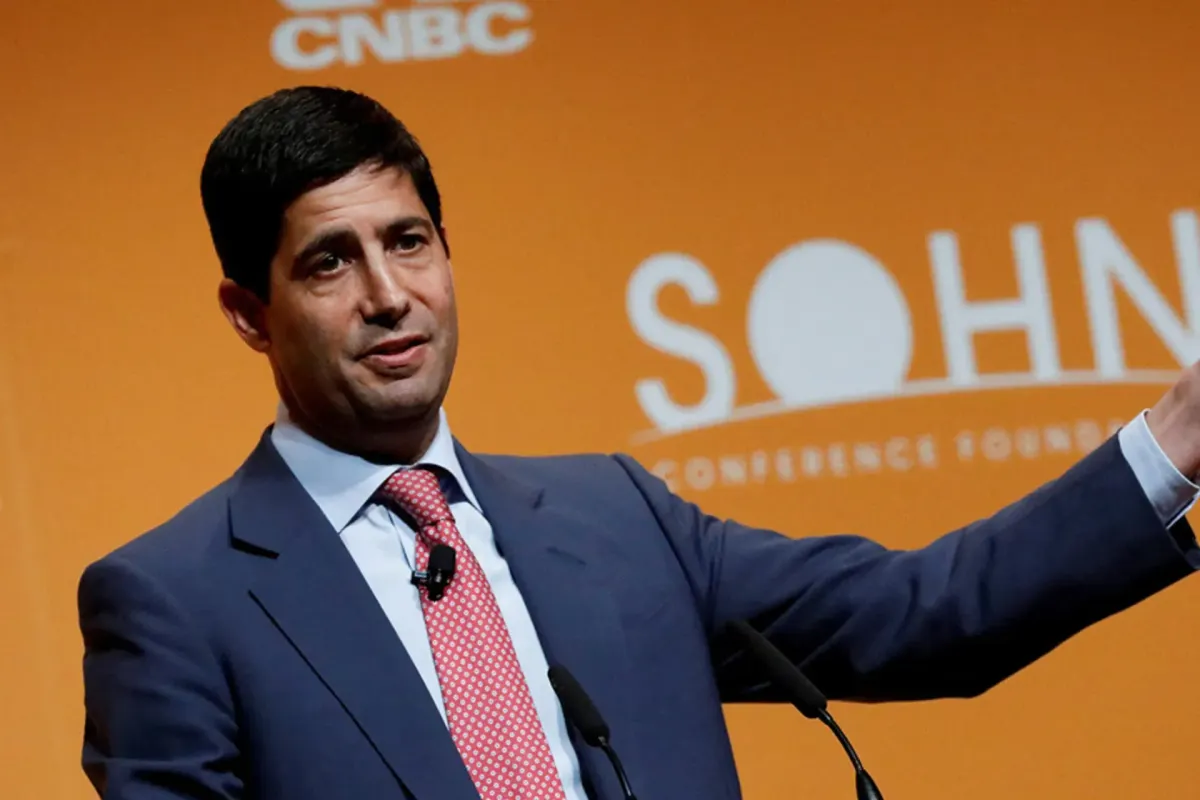
Trump's Fed chair nominee is drawing intense scrutiny from markets. Analysts expect he'd overhaul how the Fed talks, thinks, and acts on inflation. Here's everything you need to know about the man who may soon control your interest rates.
By The New Brief Finance Desk | May 7, 2026
Kevin Warsh is not a household name. He is about to become one.
Trump's nominee to chair the Federal Reserve — the institution that sets the interest rates that determine the cost of your mortgage, your student loan, your car payment, and your credit card — is a former Fed governor and Wall Street veteran whose expected confirmation has bond markets on edge and economists actively debating what American monetary policy looks like in a post-Powell world.
The short answer: different. Significantly different. Here is what you need to know.
Who He Is
Kevin Warsh served as a Federal Reserve governor from 2006 to 2011 — a tenure that included the 2008 financial crisis, one of the most consequential periods in modern central banking history. He was young for the role, in his mid-thirties when appointed, and he came from the world of investment banking and corporate law rather than academic economics.
After leaving the Fed, he joined the Hoover Institution at Stanford, where he has been a vocal critic of what he has called the Fed's excessive communication — its practice of telegraphing future rate decisions in detail through press conferences, forward guidance, and detailed meeting minutes. He has argued the Fed talks too much, promises too much, and has become too predictable in ways that allow markets to game its decisions.
He is also close to Trump, having advised the administration during the first term. His nomination is not a surprise. His approach to the job is what has Wall Street worried.
"Warsh thinks the Fed telegraphs too much and promises too much. A less predictable Fed sounds abstract until you realize markets price your mortgage rate based on what they think the Fed will do next."
What He Would Change
Analysts who have studied Warsh's public writings and speeches identify three areas where his Fed would likely look meaningfully different from Powell's.
First, communication. Warsh has been critical of the Fed's practice of detailed forward guidance — telling markets not just what it decided today but what it expects to decide in the future. He would likely pull back from that practice, making Fed decisions less predictable. For markets, less predictability means more volatility. For ordinary people, it means interest rates that move in ways that are harder to anticipate and plan around.
Second, inflation tolerance. Warsh has historically been more hawkish on inflation than the Powell Fed — meaning he is more willing to raise rates to fight price increases, even at the cost of slower growth and higher unemployment. In the current environment, where oil and tariffs are pushing inflation higher, a Warsh Fed might hike rates faster and hold them higher than a Powell Fed would.
Third, relationship with the White House. Warsh is a Trump loyalist. The open question — the one markets are most anxious about — is whether he would maintain the institutional independence that Powell defended publicly and repeatedly, or whether a Warsh Fed would be more accommodating of presidential pressure on rates. The answer to that question is the most consequential unknown in American economic policy right now.
Why Bond Markets Are Nervous
Bond markets — specifically, the market for long-term U.S. Treasury bonds — are the most sensitive indicator of inflation expectations and Fed credibility. When bond investors trust the Fed to keep inflation under control, they accept lower yields on long-term bonds. When they don't, they demand higher yields to compensate for the inflation risk they are absorbing.
Since Warsh's nomination became certain, long-term Treasury yields have been elevated and volatile. That is the bond market pricing in uncertainty — uncertainty about whether the new Fed chair will maintain the inflation-fighting credibility that gives those bonds their value. If yields keep rising, mortgage rates go with them, regardless of what the Fed does with short-term rates.
The Treasury Department's announcement that it expects to borrow close to $800 billion in Q3 — driven by tariff refund obligations and deficit spending — compounds the problem. More Treasury bonds flooding the market means more supply chasing the same pool of buyers, which pushes yields higher still. The borrowing needs of the federal government and the inflation anxieties around the new Fed chair are feeding each other in ways that make the bond market one of the most important things to watch this year.
"The bond market is the world's most sophisticated inflation detector. Right now it is flashing amber. If it turns red, your mortgage rate will know before the news does."
The Bottom Line
Kevin Warsh as Fed chair is not just a personnel change. It is a potential inflection point in how American monetary policy is conducted, communicated, and — most critically — whether it remains insulated from political pressure.
If he governs as an independent institutionalist who happens to be more hawkish than Powell, the transition may be bumpy but manageable. If he governs as a political instrument of the White House, the long-term consequences for inflation, market credibility, and the cost of borrowing in America are severe and hard to reverse.
Watch his first press conference after assuming the chair. Listen for whether he departs from Fed norms in how he frames the inflation outlook. And watch the bond market's reaction. In a world where so much economic noise is hard to decode, the bond market usually tells you the truth.
— The New Brief | May 7, 2026 —